Highland and the river, in short
Highland has a history of flooding, especially in spring, with significant floods in 2006, 2007 and 2008. In September 2008 a levee failed. The Little Calumet River Flood Control and Recreation Project was declared complete on July 23, 2024.12
A town on a river
Highland is a town in North Township, Lake County, Indiana, just south of the Borman Expressway. It is one of several towns along the Little Calumet. Its highest land runs along Ridge Road, away from the areas most prone to flooding.1
The record, in order
- 2006Significant flooding, particularly in September.1
- 2007Highland floods again.1
- September 2008Heavy rain pushes the Little Calumet over its banks and a levee fails. The Army Corps of Engineers later described two people killed and hundreds displaced.2 The Borman Expressway is overtopped near Kennedy Avenue, which The Times later linked to levees that were not yet complete.3
- 2009The river basin commission reports that only the levees in Highland and eastern Hammond are in minimally acceptable condition.3
- 2018The Times reports 12.2 miles of the project's levees and floodwalls in Hammond, Highland and Munster, and an INDOT plan for a stormwater pump station southeast of the Kennedy Avenue interchange.3
- July 23, 2024The Little Calumet River Flood Control and Recreation Project is declared complete at an event in Highland's Wicker Park Social Center.2
What the finished project includes
According to the 2024 completion announcement, the project built 22 miles of levees and floodwalls, relocated seven miles of river channel, modified bridges and added a new flood warning system. It also preserved more than 550 acres of wetland and opened nearly 17 miles of trails.2
It shields more than 9,500 homes and businesses in five towns: Gary, Griffith, Hammond, Highland and Munster.2 NOAA keeps a river gauge for the town, named Little Calumet River at Highland (Kennedy Avenue), which is the place to watch levels when a big storm is forecast.4
Checking a car for river water
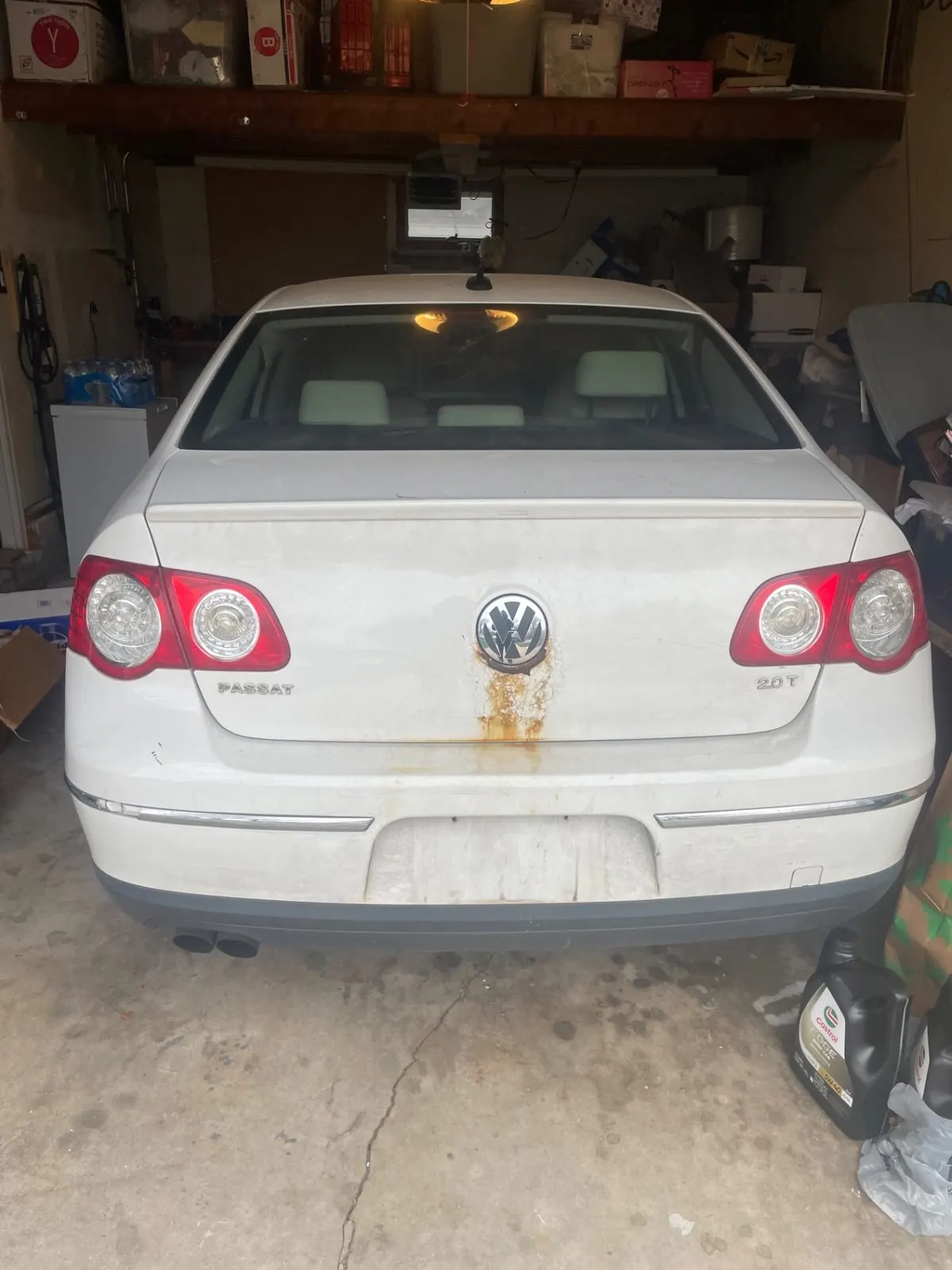
A levee protects homes and businesses from the river; it can't undo damage a car already took. Water damage means water got where a car is built to stay dry: the cabin above the floor pan, the seat and dashboard wiring, the engine through its air intake, or the fuel tank. A damp mat after rain doesn't count. A muddy tide line on the door cards does.
- The smell
- Open the doors after the car has been shut for a while. A musty, sour smell, or one masked by a strong air freshener, is the first giveaway; fresh carpet in an older car is a second.
- The spare-tire well
- Lift the trunk floor. Silt, a rusty jack or a dried tide mark means water came in from below.
- Seat rails and bolts
- Orange rust on hardware that otherwise looks new means it sat wet.
- Lamps and door bottoms
- Fog or a waterline inside the headlamps, or mud in the door bottoms, shows how high the water stood outside.
- Under the hood
- Debris in the air filter box or milky oil on the dipstick means the engine breathed water.
If your car went under
- Keep the key out. Turning over an engine with water in it can bend parts that were fine a minute earlier.
- Photograph the waterline on the door panels, seats and dashboard, and outside where the mud stopped.
- Disconnect the battery if you can reach it safely.
- Call your insurer before you pay for drying or repairs.
- Open the doors and pull the mats while you decide; it slows mold even if the car is going nowhere.
Selling a car that took water
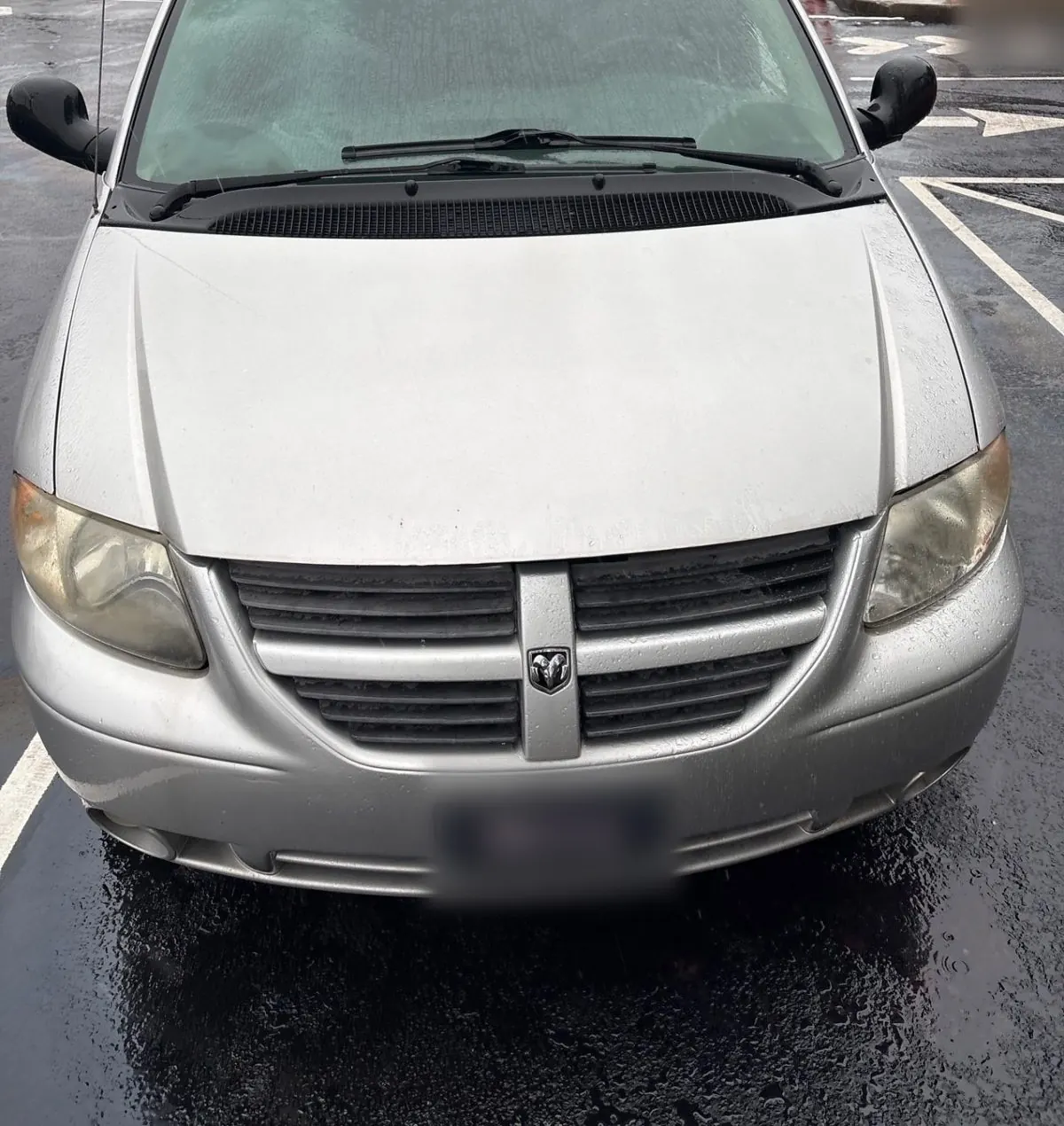
We buy flood-damaged cars in Highland as they sit, whether the water stopped at the carpet or reached the dash. The tow is free from a home driveway, an apartment or HOA lot, or a repair shop, and you are paid at pickup by cash, Zelle, Cash App or another digital payment. If the claim has turned into a total loss, read what the adjuster's decision means first.
Sources
- Wikipedia, "Highland, Lake County, Indiana": geography, flooding history, Ridge Road. en.wikipedia.org. Read November 24, 2026.
- Office of U.S. Rep. Frank J. Mrvan, news item of July 23, 2024 on the Army Corps of Engineers marking the end of the Little Calumet flood project, quoting the Corps. mrvan.house.gov. Read November 24, 2026.
- The Times (Munster), report on the completed Little Calumet levees, September 17, 2018, republished by InsuranceNewsNet. insurancenewsnet.com. Read November 24, 2026.
- NOAA National Water Prediction Service, gauge HGLI3, Little Calumet River at Highland (Kennedy Avenue). water.noaa.gov. Read November 24, 2026.
River, levee and flooded-car questions
Does Highland still flood?
The sources we read don't measure flooding since the levee work ended, so we won't guess. What they do say: the flood control project was declared complete in 2024 and shields more than 9,500 homes and businesses in Highland and four neighbouring towns. A car that took water before then still carries that damage.
What happened in the September 2008 flood?
Heavy rain pushed the Little Calumet over its banks and a levee failed. The Army Corps of Engineers later recorded two deaths and hundreds of people displaced. Between Highland and Hammond, water topped the Borman Expressway near Kennedy Avenue.
Why did the Borman flood at Kennedy Avenue?
Reporting by The Times in 2018 tied the 2008 overtopping of the Borman near Kennedy Avenue to levees that were not yet finished. INDOT later planned a stormwater pump station southeast of the Kennedy Avenue interchange.
When was the Little Calumet flood project finished?
It was declared complete on July 23, 2024, at an event in the Wicker Park Social Center in Highland. The project includes 22 miles of levees and floodwalls, a new flood warning system and nearly 17 miles of trails.
Which towns does the levee project protect?
Gary, Griffith, Hammond, Highland and Munster. The 2024 completion announcement put the number of homes and businesses it shields at more than 9,500 across those five towns.
Where is the river gauge for Highland?
NOAA lists a gauge named Little Calumet River at Highland (Kennedy Avenue). Its page on water.noaa.gov is the place to watch river levels when heavy rain is forecast.
Do you buy cars that went under?
Yes. A car that took water is one we buy, whether the water reached the carpet, the seats or the dashboard. We buy it as it sits, tow it free from a driveway, an apartment or HOA lot or a repair shop, and pay you at pickup.
My car sat in floodwater. What should I do first?
Leave the key out of the ignition, since turning over an engine with water inside can wreck it. Disconnect the battery if you can reach it safely, photograph the waterline inside and out, and call your insurer before you spend money on drying it.
Can a flooded car be saved?
Sometimes. Water that only soaked the carpet can often be dried out. Water that reached the seats, the dashboard wiring, the engine intake or the fuel system is a different job: corrosion goes on working in the connectors after the cabin looks dry, and the faults tend to arrive one at a time.
How can I tell if a used car was flooded?
Smell first: a musty, sour odor that air freshener can't hide. Then look for silt in the spare-tire well and under the seats, rust on seat bolts and under-dash brackets, fog or a waterline inside the lamps, and electrics that work one day and not the next.
Can one pickup take more than one flooded car?
Yes. If the same storm caught two cars at one address, a single trip can take both. Mention every car when you call or fill in the form.